
Here is a truth that took me longer to accept than I’d like to admit: strong levels alone don’t move markets. Energy does. Accumulation is the fuel tank, and without it, even the cleanest level will shrug off an attack and hold.
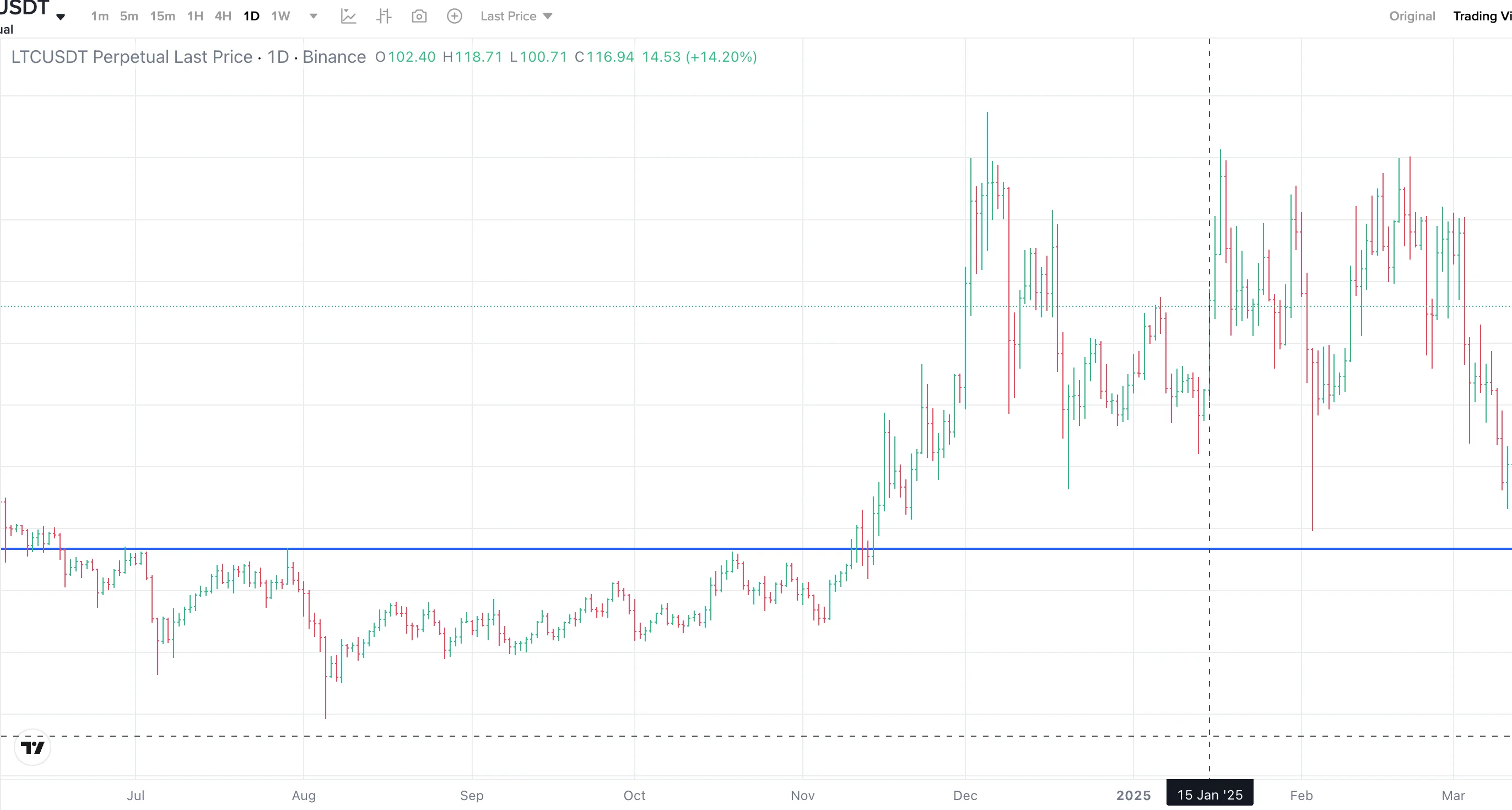
Everyone loves the drama of the breakout candle — the bar that tears through resistance like paper. But zoom out on any breakout that actually stuck, and you find the same hidden ingredient behind it: days or weeks of quiet energy storage right at the level.
The market breathes in two states
This series covered the two states in detail earlier: accumulation is the inhale — price stalls, consolidates, volatility shrinks, and both impatient buyers and sellers get trapped while energy loads. Distribution is the exhale — the stored energy releases, bars expand, and the move stretches further than anyone positioned for.
The crowd calls the exhale “the breakout.” Traders who were watching the inhale knew it was coming.
Why energy decides the outcome
Strong levels are defended with real orders. Random retail flow doesn’t break them; it takes sustained pressure against the resting size. So the state price arrives in matters more than the arrival itself.
When price charges into a major level already exhausted — after a long impulsive run that burned most of its typical daily range — the odds of a real break collapse. There is nothing left to push with. The level holds, and what follows is usually a trap: a brief poke through, then the reversal that punishes everyone who chased.
When price builds pressure instead, the chart shows it:
- Closes parked right under (or over) the level, refusing to retreat.
- Higher lows pressing into resistance — or lower highs into support — the squeeze.
- Volatility dying out: bars shrinking, noise disappearing.
- Quick retests that give up no ground.
That is fuel being stacked.
What a primed breakout looks like
The breakouts that stick usually check off most of this list:
- Accumulation right at the level, not somewhere far below it.
- A visible squeeze pressing price into the corner.
- Shrinking bars as the tension builds.
- A clean retest within days, not months.
- Empty space beyond the level — no contaminated zone of old chop waiting to absorb the move.
- Local and global trend pointing the same way.
When these cluster, the breakout candle is not the beginning of anything. It is the release of weeks of preparation.
The same logic, inverted
Flip every condition and you get the failure case: huge bars storming into the level, most of the day’s range already spent, no base underneath. Even if the level breaks for a moment, there is no support below the breakout point — nothing was accumulated there — so the first wave of selling pushes price straight back. That failure mode has its own anatomy, and it gets its own article later this week.
The practical habit this leaves you with is simple. Before reading anything into a breakout candle, ask one question about what came before it: did the market inhale first? If it didn’t, what you’re looking at is probably noise.
Spotting levels where energy is quietly building — across every market, before the release — is precisely what ChartThread watches for.